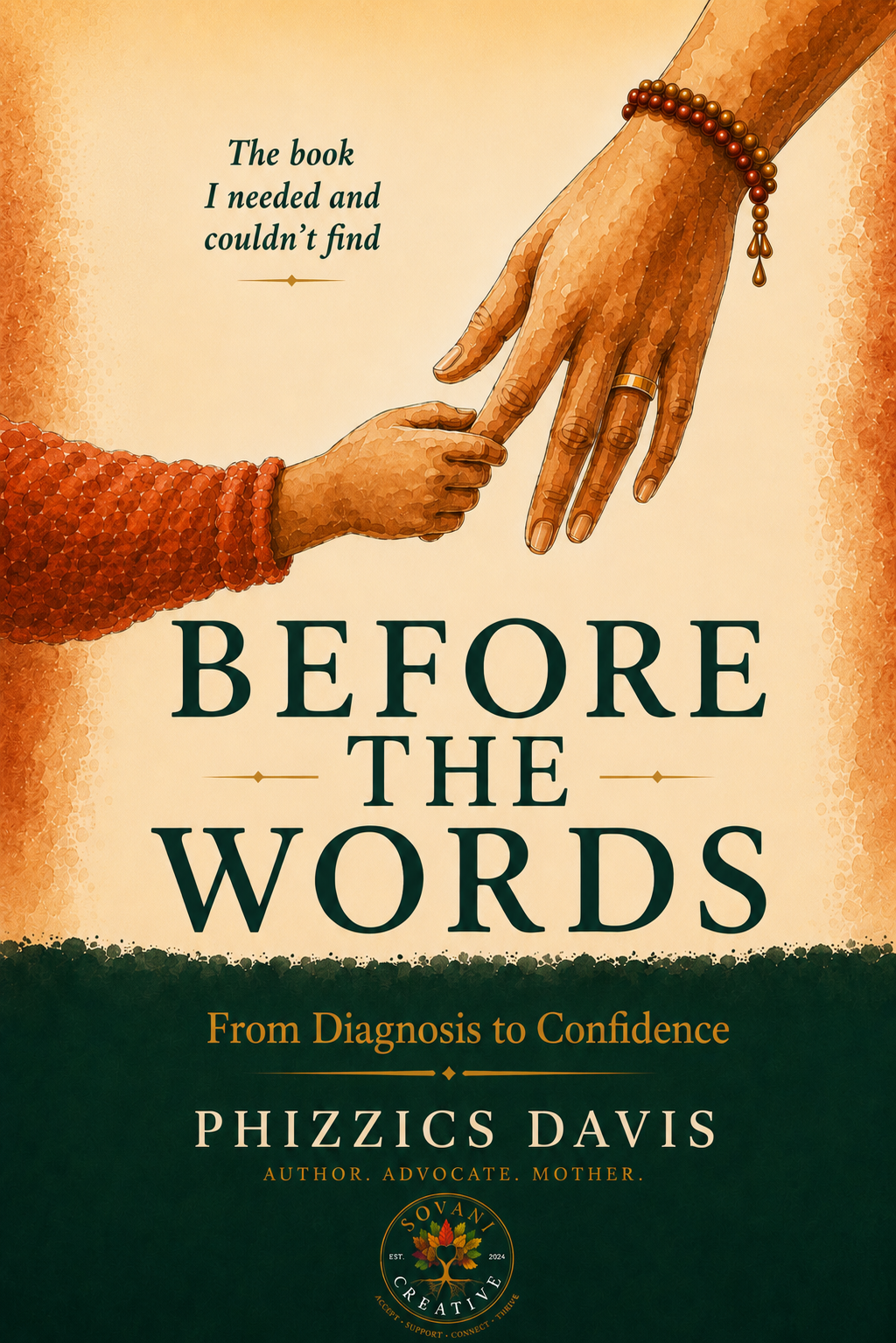
A tender companion for the earliest days — the questions no one prepared you for and the quiet certainty you are exactly the parent your child needs. Written for the family navigating a new diagnosis and the loved ones walking alongside them. Read the story behind the book.
Before the Words: From Diagnosis to Confidence blends personal storytelling with reflection, encouragement, and small practical steps designed to help families move from the uncertainty of diagnosis toward deeper understanding, communication, confidence, and connection.
Explore a few pages from Before the Words
1 / 7Title page
The story continues beyond these pages.
Before the Words is a journey through uncertainty, understanding, communication, growth, and the quiet moments that change a family.
Your story may look different. You don't have to figure out every next step at once.
Coloring books for confidence, connection & self-expression
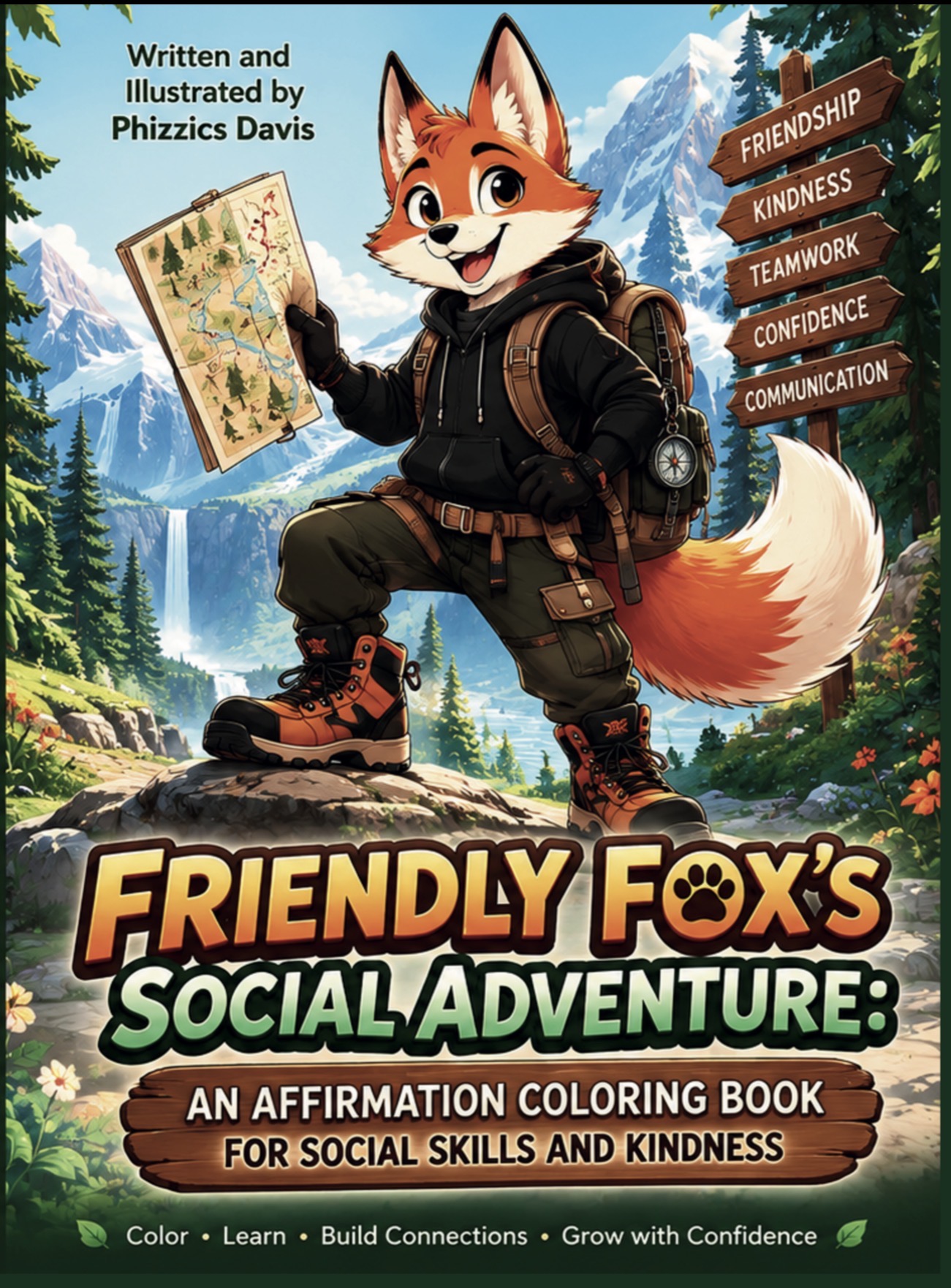
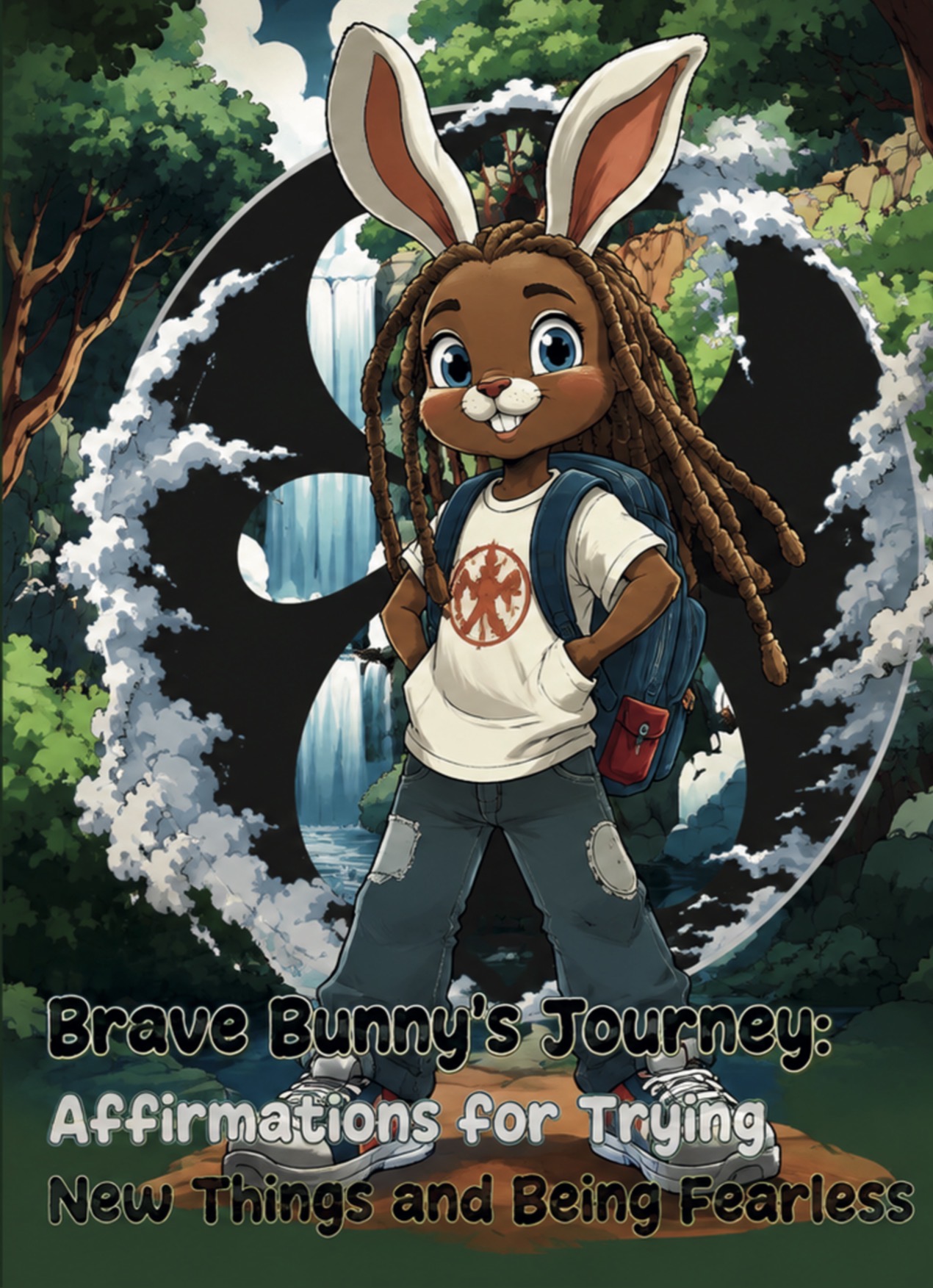
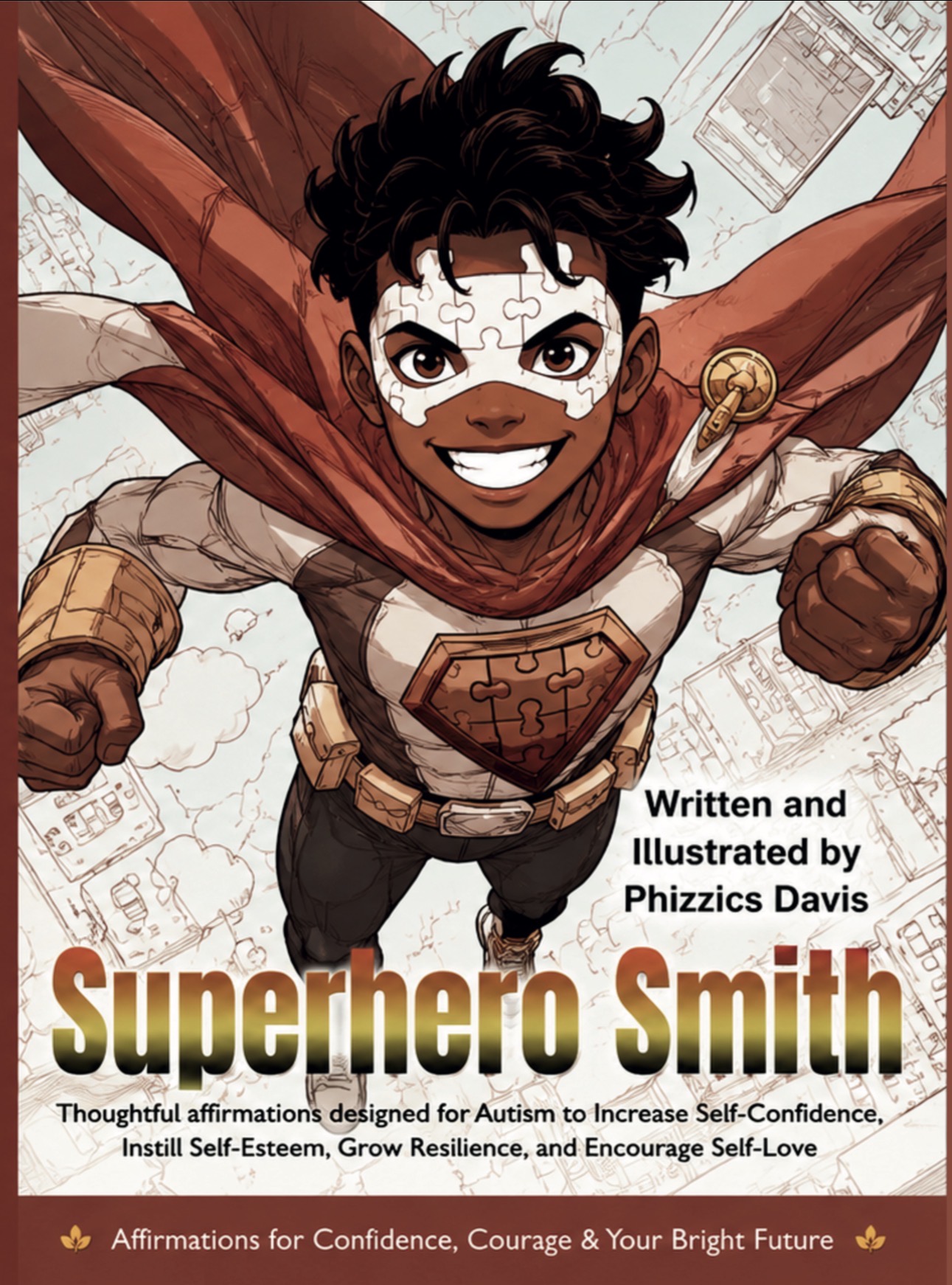
Five original characters — Calm Cat, Friendly Fox, Brave Bunny, Superhero Smith and University Unicorn — each with 26 full-page coloring designs and affirmations written and illustrated by Phizzics Davis. $11.95 each.
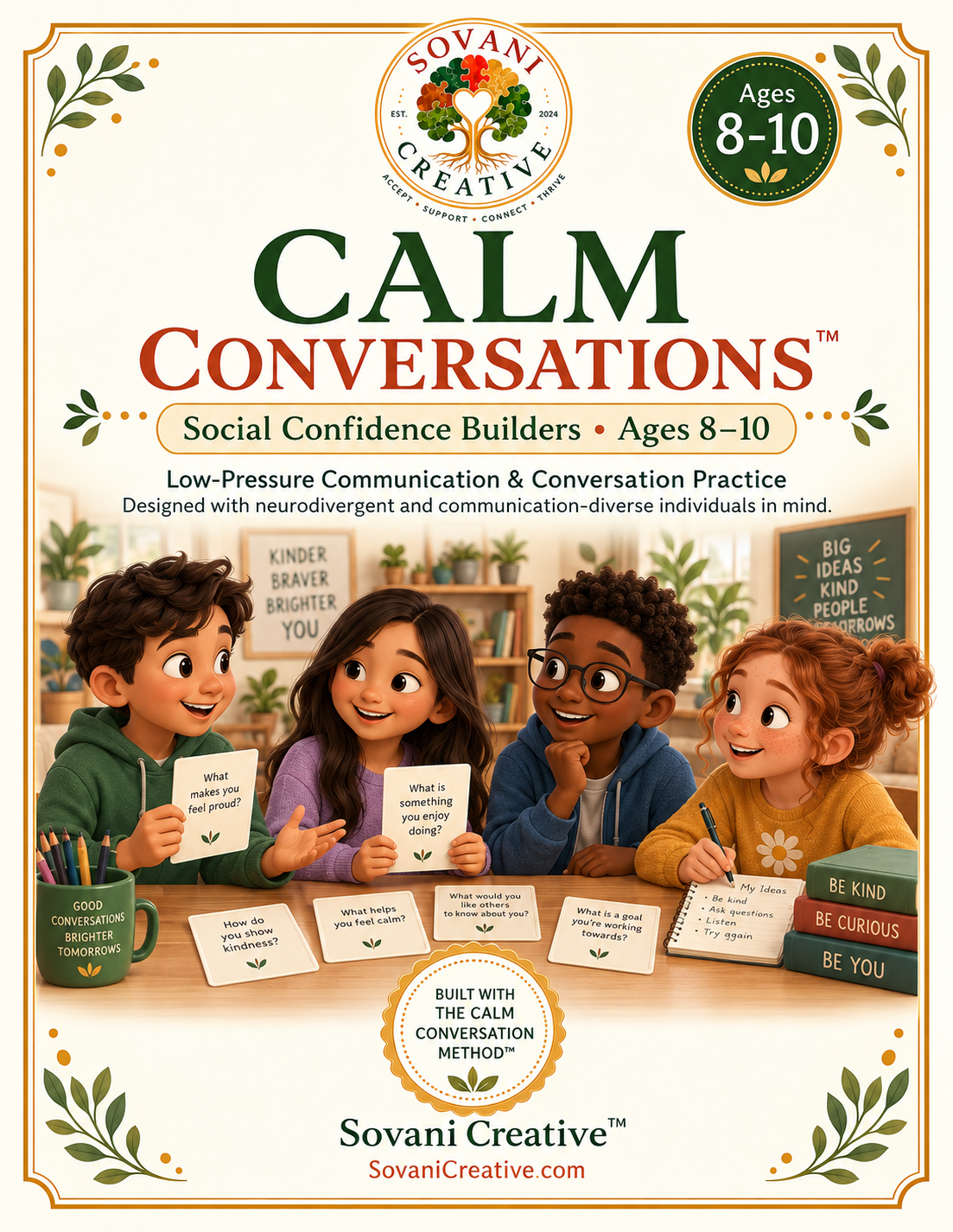
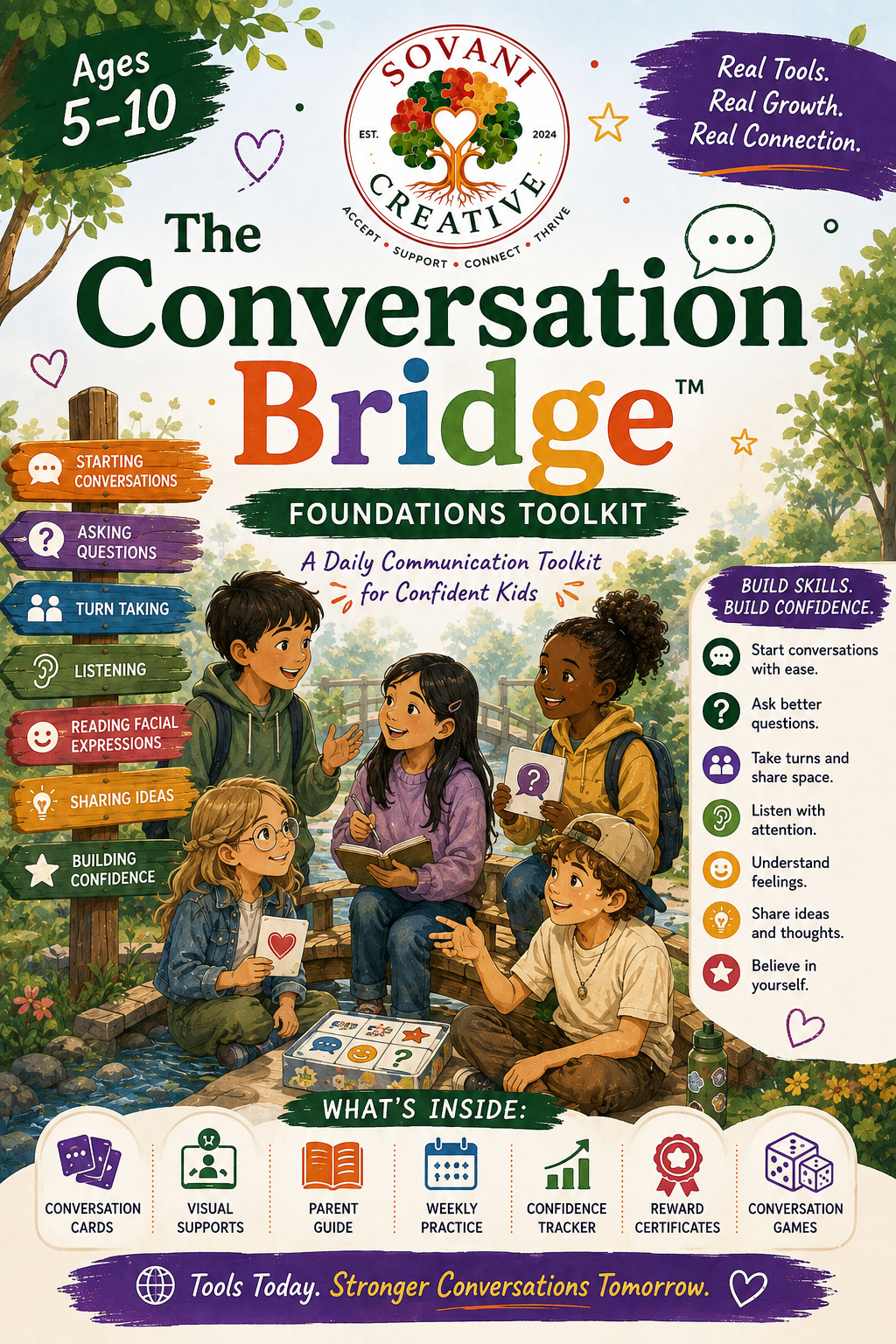
Low-pressure communication and conversation practice for ages 8–10: starting conversations, responding, asking questions, repairing misunderstandings, asking for help, and self-advocacy.
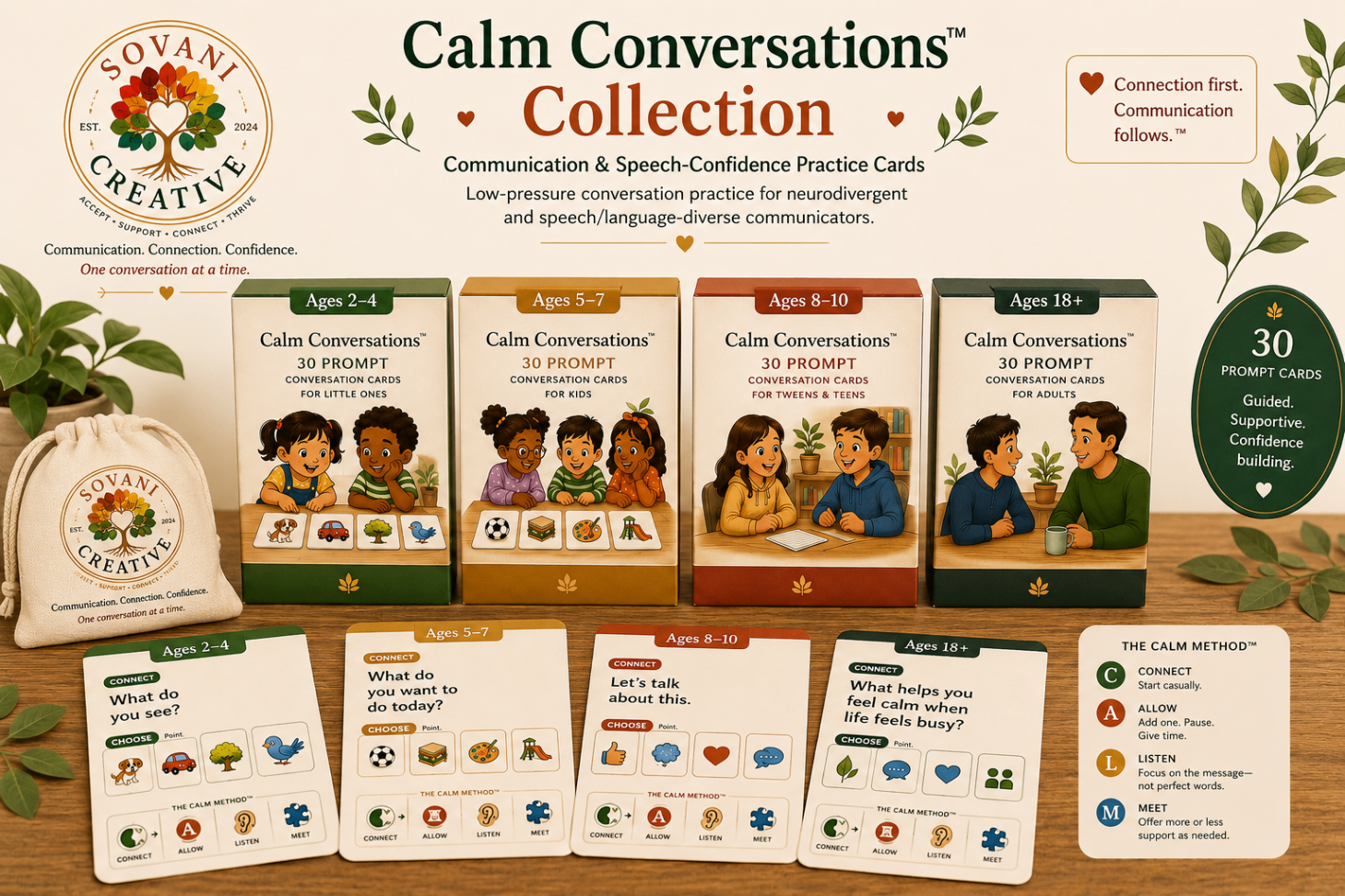
Printable and printed communication toolkits — practice conversations without pressure.
Ages 11–18
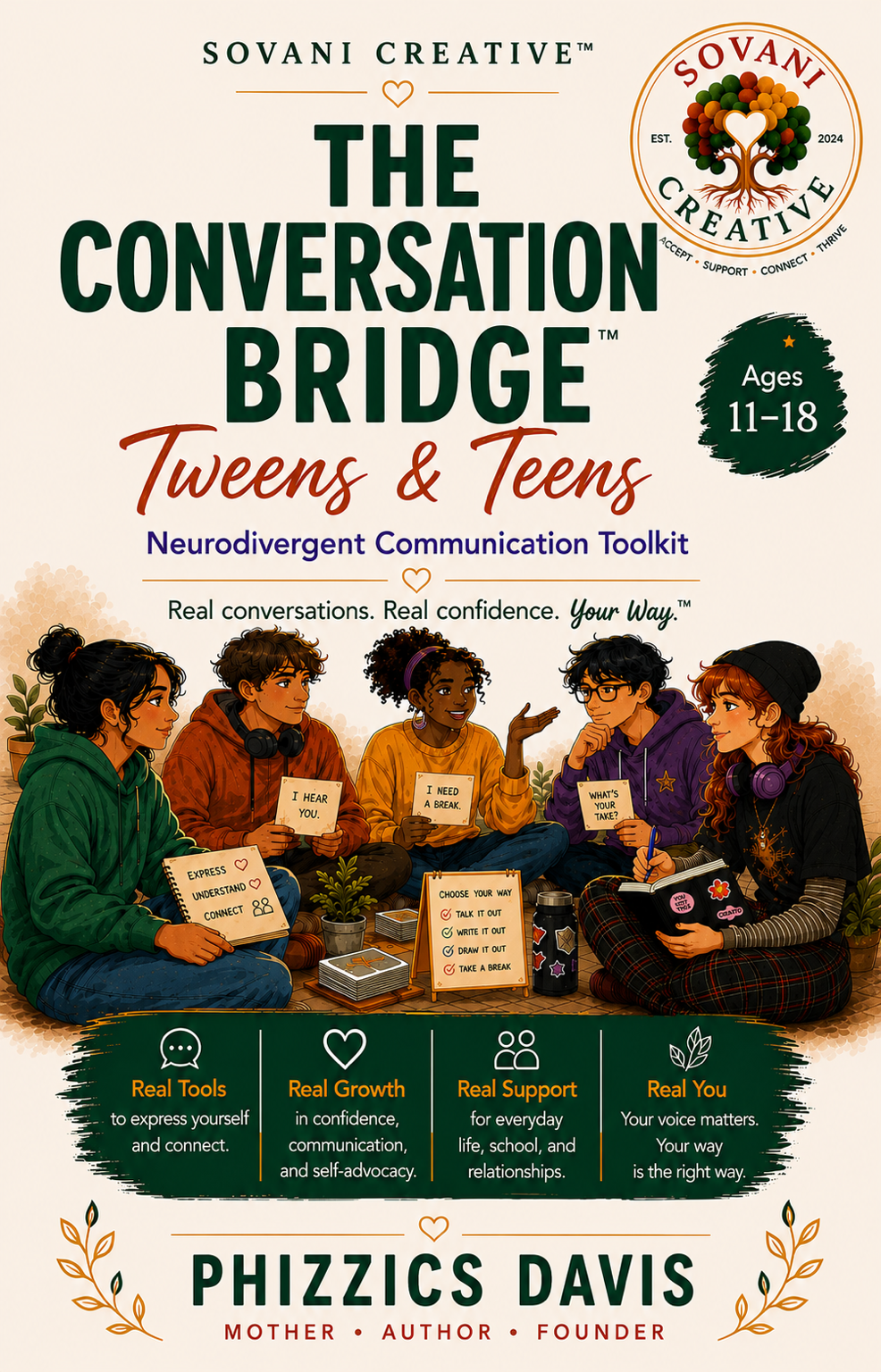
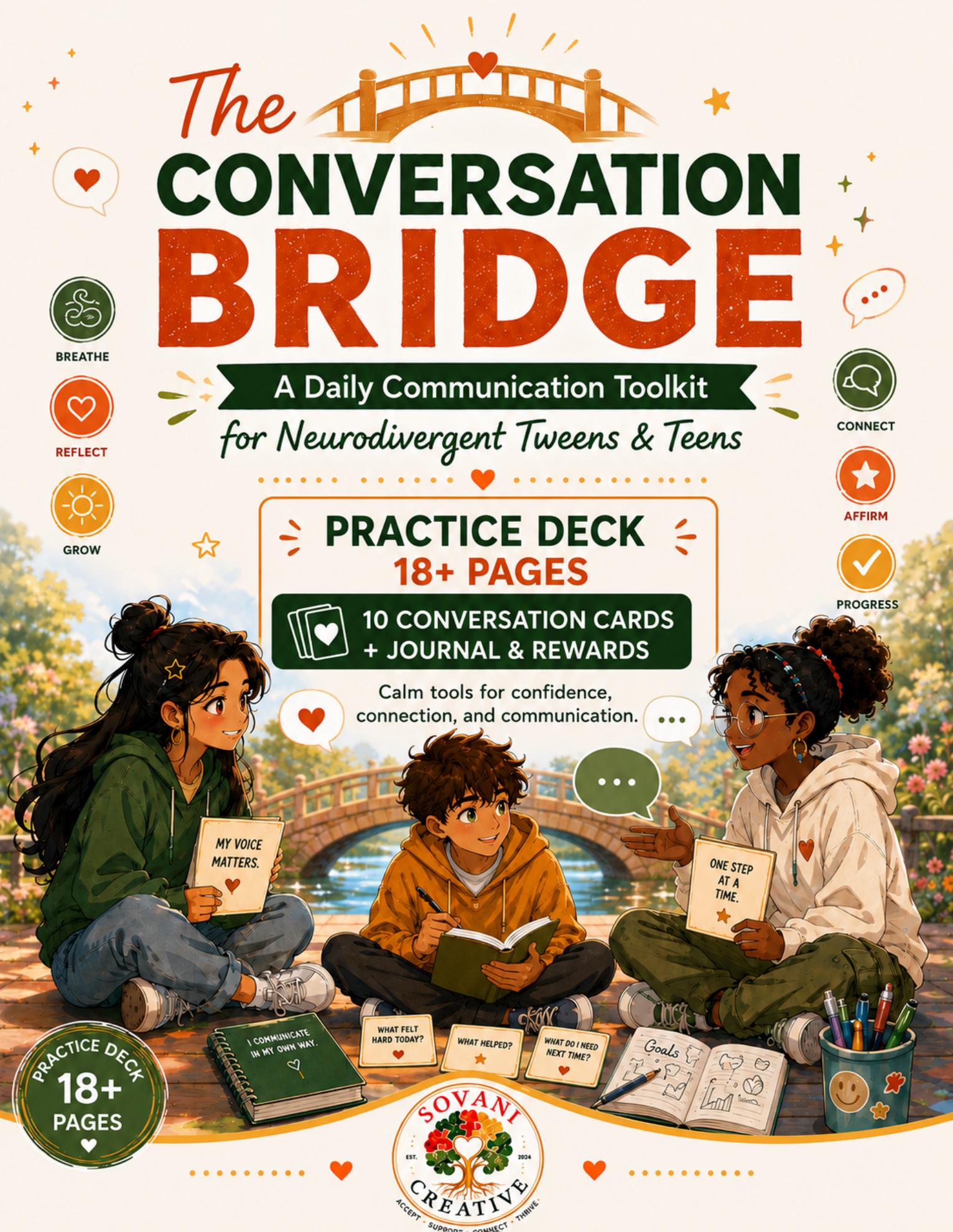
The Conversation Bridge™: Tweens & Teens
A complete 106-page, low-pressure communication toolkit for neurodivergent and communication-diverse tweens and teens, featuring 32 conversation practice cards, real-life communication activities, confidence and self-advocacy tools, plus a dedicated Parent/Caregiver Companion.
A focused, printable 18+ page practice deck: 10 Conversation Bridge™ cards plus a reflection journal, tracker, and celebration pages that make practice feel like progress.
A 61-page, low-pressure communication toolkit designed to help neurodivergent and speech-delayed children build conversational confidence through visual supports, simple prompts, guided responses, and repeated practice.