
Education
What Teachers Wish Families Knew in September
By Phizzics Davis · 8 min read
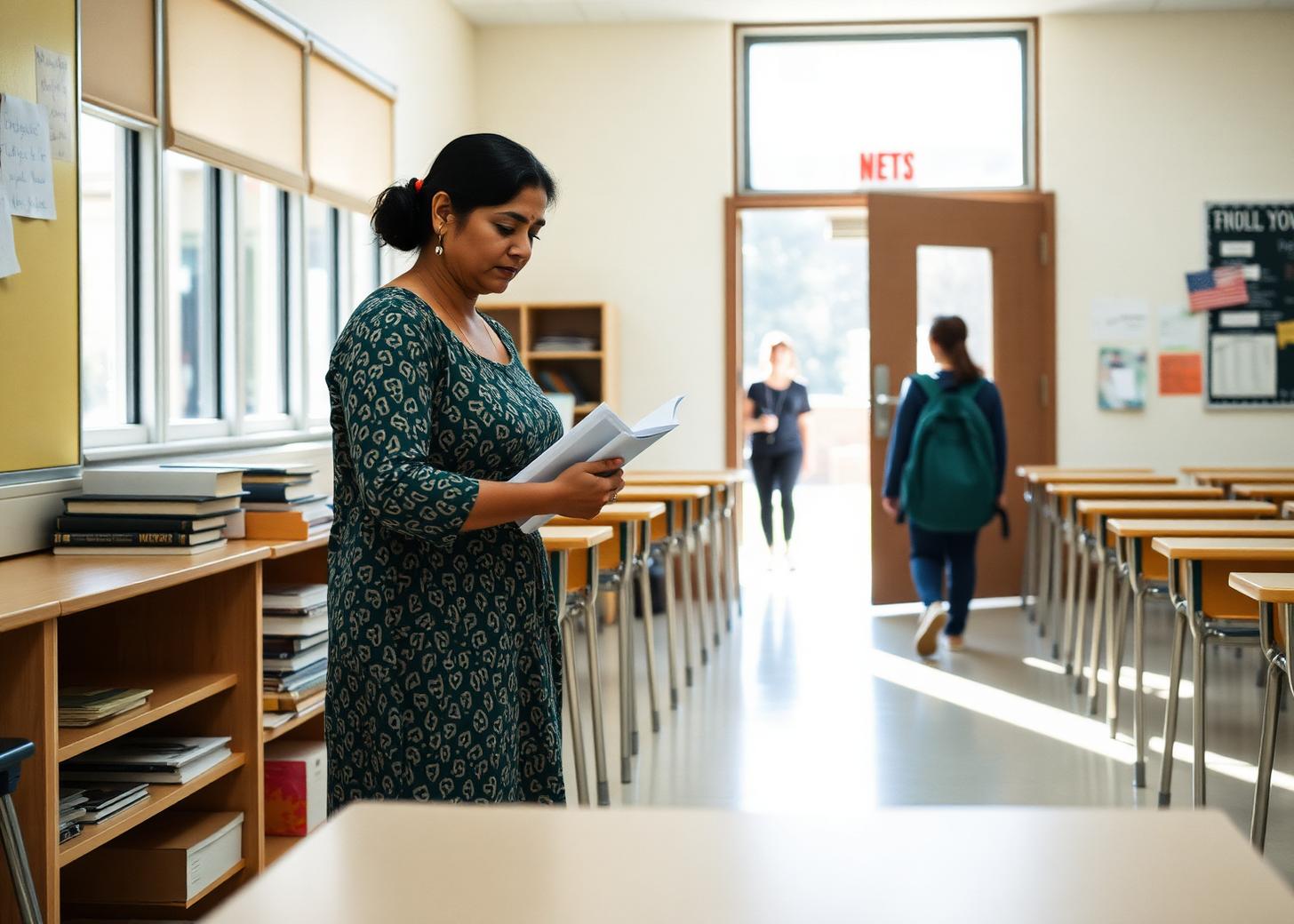
There’s something about the first week of September that holds both hope and worry at the same time.
New backpacks. New routines. New teachers learning twenty-something names while twenty-something families wonder if this year will be the year someone truly sees their child.
I’ve sat on the family side of this for years. I’ve written the emails, requested the meetings and tried to condense my entire child into a fifteen-minute conversation at Back to School Night.
And over time, I’ve also heard from teachers. The good ones. The ones who stay late and lie awake thinking about the kid who hasn’t spoken yet and genuinely want to get it right.
Here’s what I think many of them wish they could say.
Your Child Is More Than the File
Before your child walks through the door, there is already a version of them on paper.
An IEP.
A 504.
Notes from last year’s teacher. Test scores. Behavior reports.
These documents matter. They contain real information that took real effort to gather.
But they are not your child.
Your child is the one who memorized every dinosaur name but can’t remember where they put their shoes.
The one who tells elaborate stories at home but goes silent in groups.
The one who is hilarious at the dinner table and invisible in the cafeteria.
Teachers need the file. But they also need the person. And that’s where families come in.
Tell the Teacher What Works, Not Just What’s Hard
Families often arrive at school ready to explain what’s difficult.
The meltdowns.
The homework battles.
The social struggles.
And teachers need to hear that. But they also need to hear what works.
If your child calms down when someone speaks quietly, say that.
If they focus better when they can hold something in their hands, say that.
If they light up when someone asks about outer space or horses or Minecraft, say that.
The things that work at home are not small details. They are instructional gold for a teacher trying to reach your child in a room full of twenty-five other learners.
Please Tell Us the Good Things, Too
Teachers hear a lot about what’s going wrong.
And they should. That’s part of the job.
But if your child came home excited about a science experiment, tell the teacher.
If they used a strategy at home that they learned in class, tell the teacher.
If your child said the teacher’s name at dinner with a smile, tell the teacher.
Those moments are fuel.
And teachers burn through fuel faster than most people realize.
Families: Tell Teachers What Your Child Can Do
This one surprises people.
Families spend so much time advocating for what their child needs that they sometimes forget to say what their child is good at.
Not in a boasting way.
In a “please don’t miss this” way.
She notices when someone is upset before anyone else does.
He can take apart and rebuild anything with moving parts.
She remembers every song she’s ever heard.
He is the most honest person I know.
Teachers want to build on strengths. But they can’t build on what they don’t know about.
Teachers: Presume There May Be More There
If a child is quiet, there may be more language inside than what’s coming out.
If a child struggles to sit still, there may be more understanding happening than the posture suggests.
If a child doesn’t raise their hand, it doesn’t mean they don’t know the answer.
Some children need time.
Some need a different way to show what they know.
Some need the question asked one-on-one instead of in front of the whole class.
Presuming competence is not about pretending challenges don’t exist. It’s about refusing to let the challenge be the whole story.
Families: Teachers Need Information, Not Perfection
You don’t need to have the perfect words.
You don’t need to understand every acronym.
You don’t need to have read the entire IEP front to back before the first meeting (though it helps).
What teachers need is your honesty.
Here’s what I’m seeing at home.
Here’s what worked last year.
Here’s what I’m worried about.
Here’s what my child loves.
That’s enough.
That’s more than enough.
The IEP Shouldn’t Be the Only Time We Talk
If the only time families and teachers communicate is during scheduled meetings, everyone loses.
A quick email when something goes well.
A note when something seems off.
A conversation that starts with “I wanted to share something my child said about class today.”
These small moments of connection build the kind of relationship where hard conversations can happen without either side getting defensive.
Because at some point, a hard conversation will be necessary.
And it goes so much better when it’s not the first one.
And Teachers, Tell Families About You
Families are often nervous about sharing too much.
They don’t want to be the difficult parent.
They don’t want to overwhelm you with information.
A simple introduction that includes a little bit about who you are — not just your credentials, but your approach — can open the door.
I believe in movement breaks.
I’ll always tell you the truth, kindly.
Your child can have a bad day here and still be safe.
That’s all a family needs to hear to start trusting.
We’re Supposed to Be on the Same Team
The best outcomes I’ve seen happen when families and teachers stop treating each other as opposing sides and start treating each other as two people who care about the same child from different angles.
Families know the child at home.
Teachers know the child at school.
Both perspectives are real.
Both are incomplete without the other.
September is the beginning.
Let’s start it together.